
Protect one of the largest parts of your home
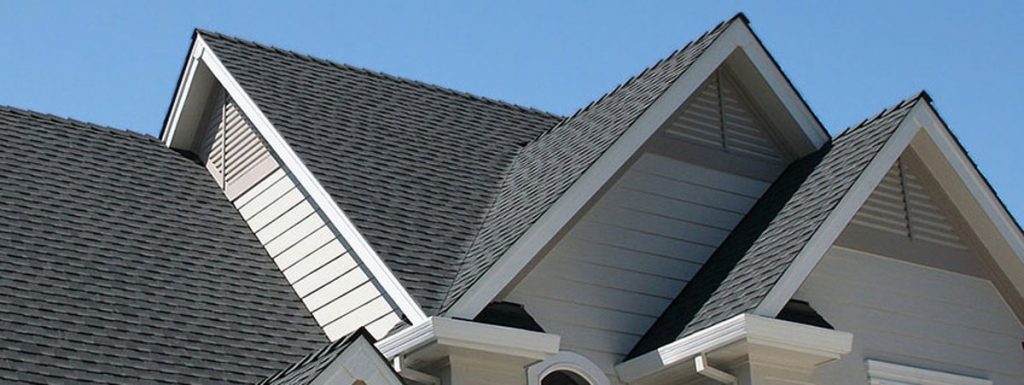
Protect one of the largest parts of your home — the roof — with regular cleaning and inspection. This should be done at least twice a year, in fall to get your roof in shape for the cold weather and again in spring to see how it has held up to winter’s hardships. More frequent checkups may be necessary after windstorms or heavy snowfalls. Read the terms of your homeowner’s insurance policy and your roofing warranty carefully to see what roof maintenance is required. For the best care, set up a professional maintenance plan through your roofing contractor.
Roof Safety Tips
If you are planning to clean your roof yourself, start working from the top downward. Utilize a sturdy ladder and work with a buddy, or at least let someone know that you are cleaning from atop the ladder. Protect your hands with work gloves and your eyes with goggles. Avoid walking on the roof surface where possible; however, if you must do so, make sure you are wearing rubber-soled shoes. Watch out for power lines and stay off the roof during a rainfall to minimize the risk of electric shock.
On Top of Your Roof
What to look out for:
- A thick layer of snow. Pull the snow off with a special snow rake to relieve excess pressure on the roof structure.
- Debris such as leaves and sticks. Remove these with a broom.
- Moss, fungus, or algae. These organisms will “eat” your roof if left unchecked. Scrub them off with a long-handled brush. Then prevent vegetation from returning by installing lead, zinc, or copper control strips.
- Nearby trees. Trim overhanging branches since these may fall in a storm, drop fruit, or act as a convenient “bridge” to let animal pests climb onto your roof.
- Bird population. Bird droppings often have a high acid content, which eats away at your roofing material. Nests may block your roof drains or your chimney, both tremendous hazards. Drain blockage usually results in standing water, the weight of which can cause the roof to collapse. A nest in your chimney is problematic in two ways when you use your fireplace: it is highly flammable and it can lead to buildup of lethal carbon monoxide gas inside your home. Wear a breathing mask when removing droppings or nests to avoid inhaling contaminants. Install a chimney cap to keep birds and other animals out in future.
The Roofing Material Itself
Check for loose, cracked, curled, blistered, or missing shingles, which will need to be repaired or replaced.
Look for rot or insect infestation in the wood.
Inspect the flashing in the area of the chimney, vents, and exhaust pipes. Be on the alert for bends, holes, or dry, loose caulk.
While you’re at it, check the condition of the caulk or mortar on roof joints and the chimney.
Investigate for traces of rust in any metal pieces.
Gutters and Downspouts
Look for dirt and fallen leaves. Use a gutter scoop (plastic for flexibility and to avoid scraping the gutter bottom), together with a garden hose, to clean roof gutters and downspouts. Remove all clogs, which can otherwise lead to ice dams. HEADS UP: Large amounts of colored shingle granules in your gutter signal a roof that is wearing out. You are well advised to call in a professional to inspect the condition of your roofing.
Under the Roof
Look at the underside of your roof from the attic as well. This will tell you if there are any danger signs of leakage, such as dark patches, streaks, wood rot, dampness, dripping water, or mold. Getting leaks taken care of as quickly as possible — before they do serious damage — is one of the most important roof maintenance tasks.

